
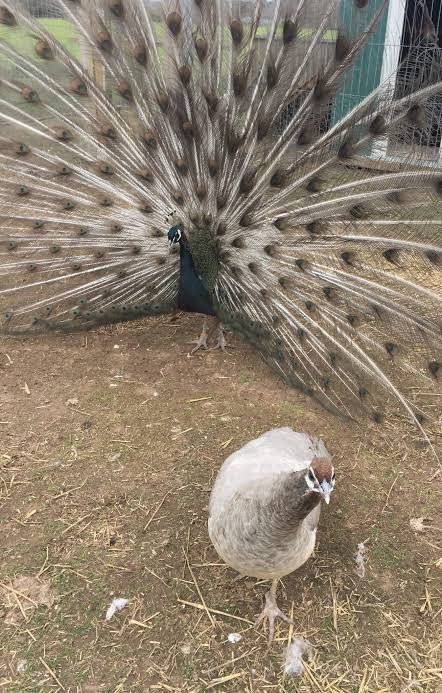
Baby peacocks, commonly called peachicks, are fascinating birds known for their curious behavior, attractive markings, and potential to develop into magnificent adults. For poultry enthusiasts and exotic baby peacocks for sale bird keepers, raising peachicks can be a rewarding experience. However, these birds require specialized care, appropriate housing, balanced nutrition, and a long-term commitment to their welfare. Anyone searching for baby peacocks for sale should understand their needs before bringing them home.
Responsible ownership begins with careful preparation. By learning about their living environment, feeding requirements, health needs, and natural behavior, prospective owners can create suitable conditions for healthy growth and development.
Understanding Baby Peacocks Before Buying
Peafowl are members of the pheasant family, and their young are called peachicks. The term peacock refers specifically to the male, while peahen describes the female. Peafowl is the general term for the species.
During their early weeks, peachicks are small, active, and sensitive to environmental changes. Their feathers gradually develop as they grow, and their appearance becomes more distinctive with age. Adult males are especially recognized for their colorful plumage and impressive display feathers.
Before purchasing young birds, buyers should consider their available space, experience with poultry, local climate, and ability to provide daily care. Peafowl are not ordinary backyard pets that can thrive without planning. They need secure accommodation, suitable food, protection from predators, and sufficient room to move naturally.
It is also important to research local regulations concerning exotic birds, ownership permits, transportation, and animal welfare. Requirements differ between locations, so prospective keepers should confirm the rules that apply to their property.
Preparing Suitable Housing for Peachicks
Housing is one of the most important considerations when raising baby peacocks. Young birds need a clean, secure, and comfortable environment that protects them from extreme temperatures, predators, and other hazards.
Creating a Safe Brooder
Very young peachicks generally require a brooder or another carefully managed warm enclosure. Their ability to regulate body temperature develops as they mature, making appropriate warmth especially important during the early stages.
The brooder should provide enough room for the birds to move away from the heat source whenever they become too warm. Owners should monitor the temperature, observe the chicks’ behavior, and make adjustments according to their age and environmental conditions.
A suitable floor covering should provide good traction and remain dry. Slippery surfaces can contribute to leg problems, while damp bedding encourages unhealthy conditions. Bedding should be replaced regularly, and the enclosure should be cleaned without exposing the chicks to harsh chemical fumes.
The brooder must also have adequate ventilation without creating cold drafts. Fresh air helps maintain a healthier environment, but young birds should not be exposed to sudden temperature changes.
Providing Space as Birds Grow
As peachicks become larger and more active, they need more room to walk, explore, and exercise. Owners should prepare a spacious outdoor enclosure before the birds outgrow their initial housing.
A well-designed enclosure includes secure fencing, a covered or protected area, shaded sections, and shelter from wind and rain. The fencing should prevent escapes and reduce the risk of predators entering the enclosure.
Peafowl may perch as they mature, so sturdy, appropriately positioned perches can support their natural behavior. However, young birds should not be forced to use high perches before they can navigate them safely.
Regularly inspecting gates, fencing, roofing, and other structures helps identify weaknesses before they become serious problems.
Nutrition and Feeding Requirements
Proper nutrition supports healthy growth, feather development, immune function, and normal activity. Feeding peachicks requires more attention than simply offering household scraps or a mixture of ordinary grains.
Choosing Appropriate Starter Feed
Young peachicks need a nutritionally balanced feed formulated for suitable game birds or other poultry categories recommended by an avian veterinarian or experienced peafowl specialist. The feed should provide adequate protein, energy, vitamins, and minerals for their developmental stage.
Feed requirements change as birds grow. Owners should therefore select an appropriate starter ration and transition to a suitable grower feed when recommended by the product instructions or a qualified professional.
Ordinary chicken feed may not always provide the nutritional profile required for developing peachicks. Before purchasing feed, check that it is appropriate for the species and age group.
Maintaining Fresh Water
Clean drinking water should always be available. Water containers must be stable, easy to clean, and designed to reduce the risk of young birds falling into them or becoming soaked.
Water should be refreshed regularly, particularly during warm weather. Containers should also be checked throughout the day because bedding, feed, and droppings can contaminate them.
Dehydration can become dangerous quickly in young birds. Changes in drinking behavior, weakness, or unusual inactivity should be taken seriously.
Offering Variety Carefully
As peachicks mature, suitable supplemental foods may provide variety alongside a nutritionally complete main diet. Any additions should be species-appropriate, clean, and offered in moderation.
Kitchen leftovers, spoiled food, heavily salted products, and unfamiliar plants should not be treated as safe feed. Owners should also avoid making sudden dietary changes, as abrupt transitions can interfere with normal digestion.
Monitoring appetite, growth, droppings, and activity provides useful information about whether the feeding routine is working well.
Health, Hygiene, and Daily Care
Good husbandry can reduce many common health risks. Peachicks should be observed every day for changes in appetite, movement, posture, feather condition, and general alertness.
Their enclosure should remain clean and dry, with fresh bedding and regularly washed feeding and drinking equipment. Overcrowding should be avoided because it can increase stress, competition, and the spread of disease.
Newly acquired birds should be managed separately from an established flock for an appropriate quarantine period determined with veterinary guidance. This helps reduce the chance of introducing infectious diseases or parasites.
Owners should establish a relationship with a veterinarian who has experience treating poultry or exotic birds. Professional advice is particularly valuable for preventive care, parasite management, vaccination decisions where applicable, and nutritional planning.
Warning signs such as persistent diarrhea, breathing difficulties, poor balance, unusual weakness, or refusal to eat require prompt veterinary attention. Young birds can deteriorate rapidly, so waiting several days to see whether symptoms disappear may put their health at risk.
Choosing a Responsible Seller
Finding baby peacocks for sale involves more than comparing prices or selecting birds based on appearance. A responsible seller should prioritize animal welfare, provide clear information, and be willing to answer questions about the birds’ history.
Prospective buyers should ask about the peachicks’ age, feeding routine, housing conditions, health history, and source. They should also establish whether the seller can provide appropriate documentation and confirm that the birds were obtained legally.
Healthy peachicks generally appear alert and responsive, with clear eyes, clean feathers, and the ability to stand and move normally. Nevertheless, appearance alone cannot guarantee that a bird is free from disease.
Avoid sellers who cannot explain their care practices, provide inconsistent information, or appear unwilling to discuss the birds’ health and origins. Where possible, obtain advice from an experienced keeper or veterinarian before making a purchase.
Transportation also deserves careful planning. Young birds should be moved in secure, well-ventilated containers that protect them from excessive heat, cold, and unnecessary stress.
Understanding the Long-Term Commitment
Peafowl can live for many years when properly cared for, so purchasing peachicks represents a substantial long-term responsibility. Owners must be prepared to provide appropriate food, shelter, veterinary care, and safe living conditions throughout the birds’ lives.
As peafowl mature, their behavior and space requirements change. Adult males may become territorial during the breeding season, while vocal calls can create difficulties in residential neighborhoods. These factors should be considered before acquiring young birds.
Peafowl may also require careful management around other poultry and domestic animals. Introducing different species without planning can lead to competition, stress, injuries, or disease transmission.
Responsible keepers should consider future breeding, flock size, and arrangements for birds that cannot remain together safely. They should never acquire more birds than their facilities, budget, and experience can support.
Responsible Ownership and Ethical Considerations
Ethical ownership means prioritizing the birds’ welfare rather than treating them as decorative additions to a property. Peachicks need appropriate social conditions, opportunities for natural behavior, and protection from avoidable suffering.
Potential owners should avoid impulse purchases and assess whether their living arrangements can accommodate growing birds. They should also consider the needs of neighboring residents, especially where noise or roaming could become a concern.
Breeding should be approached carefully, with attention to genetic diversity, health, suitable facilities, and the ability to care for every chick produced. Unplanned breeding can create welfare problems when suitable homes and adequate space are unavailable.
If an owner can no longer care for their peafowl, they should seek a responsible, legally compliant rehoming option rather than releasing the birds into the wild.
Conclusion
Searching for baby peacocks for sale can be the beginning of a rewarding experience, provided that prospective owners understand the responsibilities involved. Successful peachick care depends on suitable housing, balanced nutrition, clean water, regular health monitoring, and a secure environment.
Choosing a reputable seller and learning about local ownership requirements are equally important steps. Most importantly, future owners should plan for the birds’ changing needs as they grow into adults.
With thoughtful preparation, consistent care, and a commitment to animal welfare, peachicks can develop in a healthy environment and become a valued part of a responsibly managed peafowl flock.