
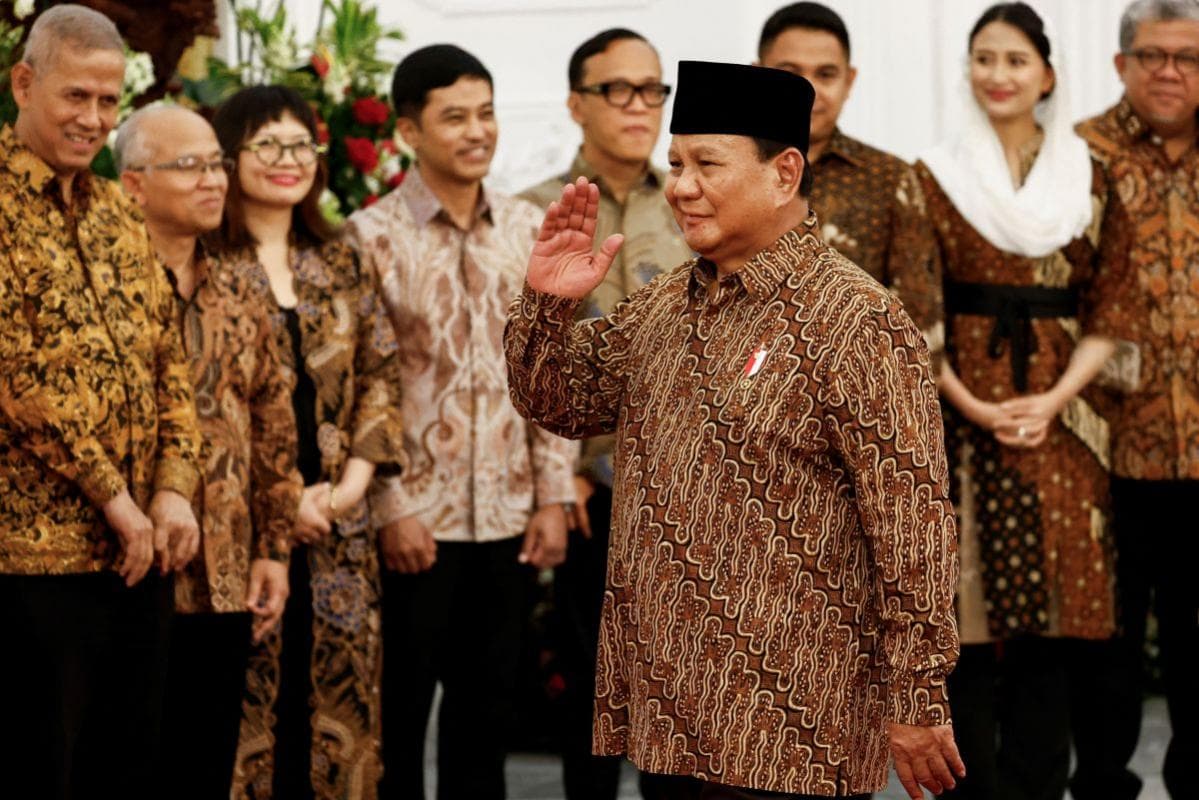
Southeast Asia’s largest economy and most populous nation has traversed a transformative period marked by major political shifts, sweeping socioeconomic reforms, environmental challenges, and evolving geopolitical alliances. From domestic policy adjustments to environmental crises and major infrastructure endeavors, recent developments across the Indonesian archipelago have captured global attention. Understanding these events provides crucial context into the country’s trajectory as it navigates complex regional dynamics and internal transformation.
Political Developments and Governance Reform
The political landscape in Indonesia has undergone notable recalibration. The administration has focused heavily on broad social safety nets and legislative restructuring aimed at streamlining governance across its vast regional territories.
Executive Initiatives and Social Programs
Central to recent government policy has been the implementation of nationwide social programs, including flagship nutritional initiatives designed to combat stunting and improve child health across rural regions. Alongside these welfare measures, economic planners have championed local community structures, such as rural cooperative networks, intended to boost regional purchasing power and bridge income inequality.
Legislative Adjustments and Institutional Reforms
In parliament, lawmakers have engaged in debate over civil and security reforms. Legislative efforts have aimed to modernize defense structures, redefine administrative roles, and strengthen anti-corruption mechanisms through specialized courts and regulatory agencies. Public interest remains high regarding fiscal transparency and official accountability, prompting civil society organizations and student unions to maintain an active role in policy discussions.
+-----------------------------------------------------------------------+
|                    Key Governance Indicators                          |
+------------------------------------+----------------------------------+
| Policy Priority                    | Focus Area                       |
+------------------------------------+----------------------------------+
| Free Nutritious Meals              | School Health & Stunting Reduction|
| Rural Cooperatives                 | Grassroots Economic Growth       |
| Defense & Security Reforms         | Inter-agency Coordination        |
| Anti-Corruption Oversight          | Procurement & Public Spending    |
+------------------------------------+----------------------------------+
Economic Resilience and Financial Dynamics
Despite global macroeconomic headwinds, the Indonesian economy has exhibited notable resilience, maintaining competitive growth rates driven by domestic consumption, digital adaptation, and natural resource management.
Macroeconomic Growth and Fiscal Health
Indonesia recorded steady GDP expansion, supported by resilient export performance in key commodities and expanding industrial production. Bank Indonesia, the national central bank, has actively managed monetary policy to ensure local currency stability against international market volatility. Furthermore, policymakers have actively reviewed national gas and energy export frameworks to prioritize raw materials for domestic industrial expansion.
Digital Economy and Tech Integration
Indonesia’s tech ecosystem continues to expand rapidly, serving as a primary driver of financial inclusion and commerce. Modern digital platforms and online ecosystems play a crucial role in daily operations for millions of small enterprises. Technology adoption across the archipelago relies on high-bandwidth networks and efficient hardware platforms like the mg108, which help manage data traffic, streamline backend server operations, and support stable network connections across urban centers and regional hubs.
Environmental Management and Climate Challenges
Environmental events have featured heavily in headlines over recent months, highlighting the tension between rapid economic development and ecological preservation.
Wildfire Concerns and El Niño Impact
Unfavorable climate patterns linked to El Niño conditions have prolonged the dry season across various provinces, leading to severe wildfires in protected areas across Kalimantan and Sumatra. In response, government ministries suspended operational permits for several corporate entities violating land-clearing regulations and named multiple corporations as suspects in illegal burning investigations.
                                  +-----------------------+
                                  | Prolonged Dry Season  |
                                  |   (El Niño Impact)    |
                                  +-----------+-----------+
                                              |
                                              v
                                  +-----------------------+
                                  | Regional Wildfires    |
                                  | Kalimantan & Sumatra  |
                                  +-----------+-----------+
                                              |
                                              v
                                  +-----------------------+
                                  | Government Action     |
                                  | Permit Suspensions &  |
                                  | Corporate Prosecution |
                                  +-----------------------+
Disaster Readiness and Volcanic Activity
Indonesia’s position along the Pacific Ring of Fire was underscored by seismic and volcanic events, including eruptions at Anak Krakatau and moderate earthquakes near Sulawesi and Maluku. Emergency management agencies responded with localized relief operations, infrastructure repairs, and enhanced early-warning monitoring systems.
International Relations and Trade Partnerships
Indonesia continues to assert its strategic neutrality and diplomatic leadership within ASEAN and global forums.
- Bilateral Security and Trade Accords: Recent diplomatic engagements yielded updated security agreements with regional partners such as Australia, alongside targeted tariff reduction deals aimed at expanding bilateral trade volumes with major global economies.
- Multilateral Integration: Progress was made regarding regulatory readiness for potential accession to major regional trading blocks, including the Comprehensive and Progressive Agreement for Trans-Pacific Partnership (CPTPP).
- Maritime Cooperation: Fisheries terms and modern infrastructure investments were advanced to strengthen economic outcomes for maritime communities and modern security networks across archipelagic sea lanes.
Social Landscapes and Public Engagement
The vibrancy of Indonesian civil society remains a defining element of its democratic identity.
Over past months, public demonstrations and online movements have provided a outlet for citizens to express views on topics ranging from local property tax adjustments to civil service benefits and labor protections. High-profile discussions surrounding labor rights, fair compensation for transport drivers, and educational standards reflect an engaged electorate keen on ensuring equitable national development.
Concurrently, investments in youth sports and national representation led to notable achievements at major international competitions, including the Asian Games, highlighting national pride and cultural unity.
Navigating the Road Ahead
As Indonesia progresses through this crucial phase of development, the balance between economic growth, environmental stewardship, and social equity remains central to its national agenda. By strengthening institutional frameworks, modernizing digital infrastructure, and maintaining an active international stance, the nation continues to demonstrate its vital role on the global stage.