
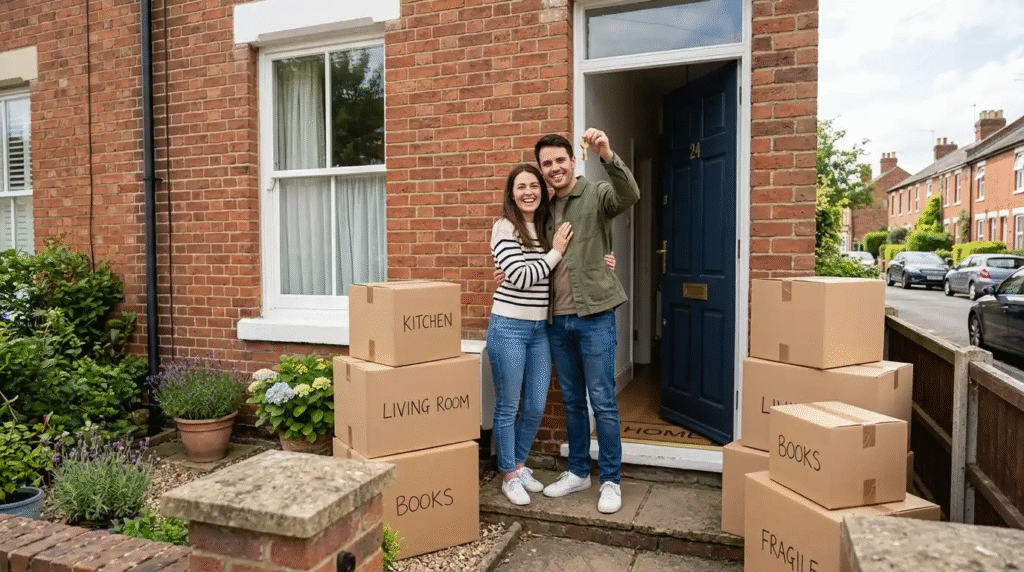
Moving to a new home involves much more than packing boxes and transporting furniture. One important task that many homeowners overlook is managing their home security system before relocation. Whether you use smart security devices, surveillance cameras, motion sensors, alarm systems, or video doorbells, preparing these systems properly helps protect your equipment while ensuring your new home remains secure from the very beginning. Choosing Tetrisflytt Stockholm can help simplify your relocation while you focus on transferring your home security setup safely and efficiently.
Modern homes often include advanced security technology that requires careful handling during a move. Disconnecting equipment improperly may damage sensitive devices or create installation challenges later. By planning ahead and organizing your security equipment carefully, you can avoid unnecessary expenses and quickly restore protection in your new home.
Whether you’re moving into another house, a townhouse, or an apartment, following a structured approach will make relocating your security system much easier.
Review Your Current Security Setup
Begin by making a list of every security device installed in your home.
Examples include:
- Alarm panels
- Motion detectors
- Security cameras
- Door sensors
- Window sensors
- Smart locks
- Video doorbells
- Smoke detectors
Having a complete inventory helps ensure nothing is forgotten.
Contact Your Security Provider
If your alarm system is professionally monitored, notify the provider well before moving.
Discuss:
- Service cancellation
- Equipment ownership
- Transfer options
- Installation at your new address
Planning early prevents service interruptions.
Back Up Security Settings
If your system stores digital settings or video recordings, create backups before disconnecting equipment.
Save important information to:
- Cloud storage
- External drives
- Secure online accounts
Backing up data protects valuable recordings.
Remove Devices Carefully
Disconnect equipment according to manufacturer instructions.
Avoid forcing components from walls or doors.
Use the correct tools to prevent accidental damage.
Label Every Component
As you remove devices, label each item.
Include information such as:
- Front door sensor
- Garage camera
- Living room motion detector
- Master bedroom alarm
Clear labels simplify reinstallation later.
Organize Cables and Accessories
Gather all:
- Power adapters
- Charging cables
- Mounting brackets
- Screws
- Batteries
Store them inside labeled plastic bags or containers.
Keeping accessories together prevents lost parts.
Protect Fragile Electronics
Wrap cameras, alarm panels, and other electronic devices using:
- Bubble wrap
- Foam sheets
- Soft packing paper
Avoid placing heavy objects on top of sensitive equipment.
Remove Smart Home Devices
If your home includes smart technology, remember to disconnect:
- Smart thermostats
- Smart locks
- Smart doorbells
- Connected cameras
Reset devices if required before transferring ownership of the property.
Update Security Accounts
Change the address associated with:
- Mobile security apps
- Monitoring services
- Emergency contact information
Keeping account details current helps maintain uninterrupted protection.
Inspect Your New Home
Before installing your equipment, evaluate the security needs of your new property.
Consider:
- Entry points
- Window locations
- Outdoor lighting
- Camera placement
Every home has different security requirements.
Test Internet Connectivity
Most modern security systems depend on reliable internet access.
Verify that your new home’s internet connection is active before installing smart devices.
Install Equipment Strategically
Position cameras and sensors where they provide the best coverage.
Focus on:
- Front entrance
- Back door
- Garage
- Ground-floor windows
Thoughtful placement improves overall security.
Test Every Device
After installation, verify that each component functions correctly.
Check:
- Motion detection
- Camera recording
- Mobile notifications
- Alarm activation
- Door sensors
Testing ensures the entire system operates as expected.
Update Emergency Contacts
Review emergency contact information connected to your monitoring account.
Replace outdated phone numbers or addresses immediately.
Learn Your New Neighborhood
Take time to become familiar with your surroundings.
Locate:
- Police station
- Fire department
- Emergency medical services
Knowing local resources improves overall preparedness.
Common Security Moving Mistakes
Avoid these common mistakes:
- Forgetting to notify the monitoring company.
- Losing mounting hardware.
- Packing electronics without protection.
- Ignoring software updates.
- Forgetting account address changes.
- Skipping system testing after installation.
Proper preparation protects both your equipment and your new home.
Frequently Asked Questions
Should I contact my security provider before moving?
Yes. They can help transfer service, explain equipment ownership, and coordinate installation if needed.
Can I move my smart security devices myself?
Many devices can be moved safely by following manufacturer instructions, although some professionally installed systems may require technician assistance.
Why should I label every security device?
Labels make reinstalling sensors and cameras much faster and reduce confusion after moving.
Should I test my security system after moving?
Absolutely. Every device should be tested to confirm proper operation before relying on the system.
Final Thoughts
Preparing your home security system before moving is an essential step that many homeowners overlook. By organizing equipment, backing up important data, protecting electronic components, and carefully reinstalling everything in your new home, you can maintain security throughout your relocation.
A well-planned security transfer not only protects valuable equipment but also gives you peace of mind as you begin life in your new home. With thoughtful preparation and proper testing, your security system will continue providing reliable protection for years to come.